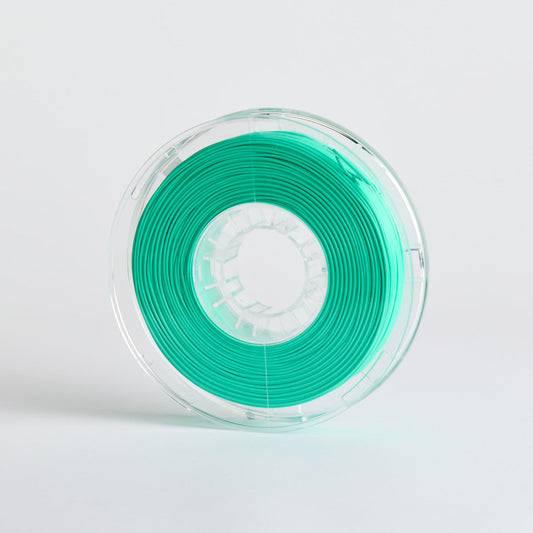
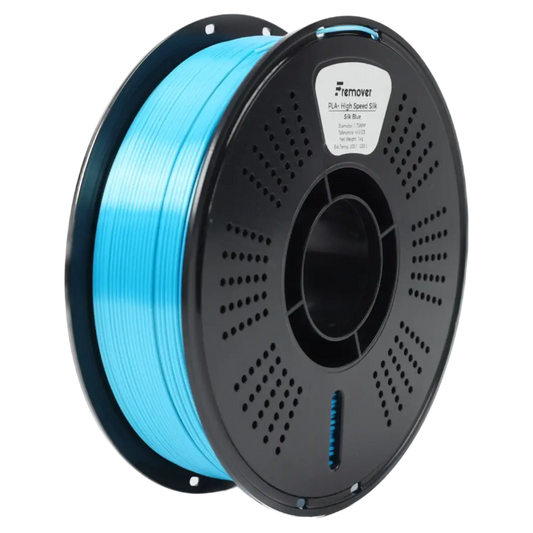
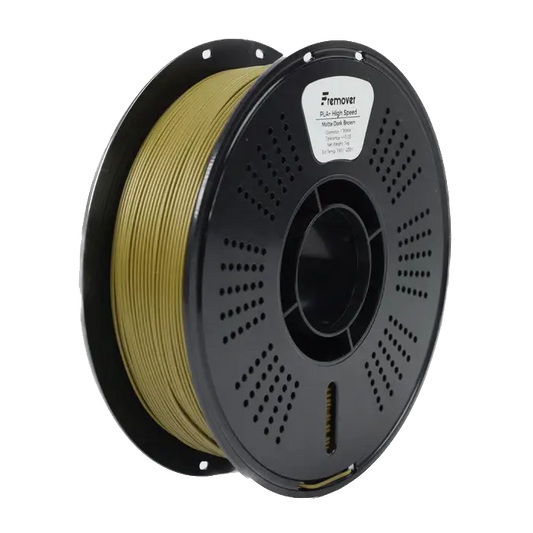
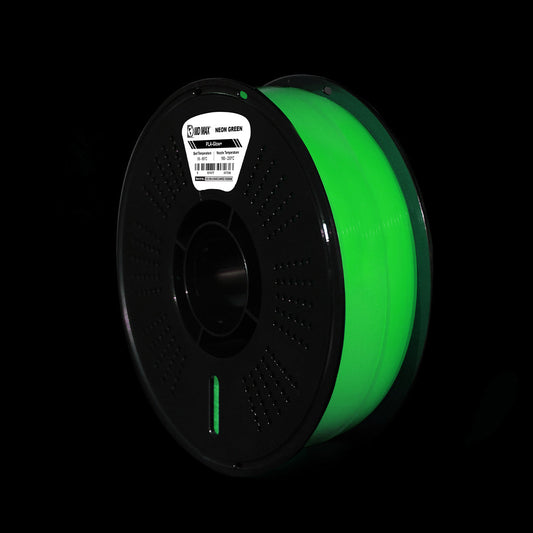
A quick comparison of materials used in 3D printing, including their strengths, limitations, and typical B Farm Creations uses. Check each product listing for its specific material, intended use, and care instructions.
Quick Material Reference
PLA
Strengths: Easy to print, detailed, attractive finishes, low warping.
Limitations: Lower heat resistance, can become brittle, limited outdoor durability.
Typical BFC uses: Display pieces, models, decorative products.
PLA+ / Tough PLA
Strengths: Improved toughness over standard PLA, easy to print.
Limitations: Properties vary substantially by manufacturer; still has PLA-like heat limitations.
Typical BFC uses: Hobby products, display items, functional decorative pieces.
PETG
Strengths: Tough, durable, better heat resistance than PLA, relatively easy to print.
Limitations: Stringing, moisture sensitivity, can scratch, less ideal for very fine details.
Typical BFC uses: Functional parts, organizers, hobby products.
TPU
Strengths: Flexible, elastic, impact resistant.
Limitations: More difficult to print, slower printing; flexible parts can deform.
Typical BFC uses: Flexible accessories, bumpers, grips, protective pieces.
ABS
Strengths: Tough, strong, heat resistant, machinable.
Limitations: Significant warping, fumes during printing, UV limitations.
Typical BFC uses: Technical and mechanical hobby parts.
ASA
Strengths: UV resistant, weather resistant, heat resistant.
Limitations: Warping, requires a controlled printing environment, fumes.
Typical BFC uses: Outdoor-oriented technical products.
Nylon / PA
Strengths: Strong, tough, wear resistant, good mechanical properties.
Limitations: Highly moisture sensitive, more difficult to print.
Typical BFC uses: Functional mechanical hobby parts.
Polycarbonate (PC)
Strengths: Very strong, high heat resistance, durable.
Limitations: Difficult to print, high temperatures, warping.
Typical BFC uses: Advanced technical components.
PP
Strengths: Lightweight, chemical resistant, fatigue resistant.
Limitations: Difficult adhesion, difficult to print, specialized applications.
Typical BFC uses: Hinges, containers, or specialized functional designs.
PVA / BVOH
Strengths: Water-soluble, useful as support material.
Limitations: Moisture sensitive, storage requirements, not normally a finished-product material.
Typical BFC uses: Support structures.
HIPS
Strengths: Tough, relatively lightweight, useful as support material.
Limitations: Requires specialized printing and post-processing.
Typical BFC uses: Supports and selected hobby applications.
Composite / Filled Filaments
Strengths: Specialized appearance or enhanced characteristics.
Limitations: Abrasive, may require a hardened nozzle, properties vary widely.
Typical BFC uses: Decorative, artistic, specialized products.
Wood-Filled
Strengths: Wood-like appearance, texture, finishing possibilities.
Limitations: Can be more fragile, nozzle considerations, moisture sensitivity.
Typical BFC uses: Decorative and artistic products.
Glow / Specialty Filaments
Strengths: Unique visual effects.
Limitations: Additives may affect strength and printing characteristics.
Typical BFC uses: Decorative and collectible products.
For full material details and limitations, see our BFC Filament Material Guide.